Researchers at UT Health San Antonio have launched a multi-phase clinical trial to determine the optimal dosing of rapamycin for healthy aging in older adults, marking one of the most rigorous academic efforts to date in longevity medicine.
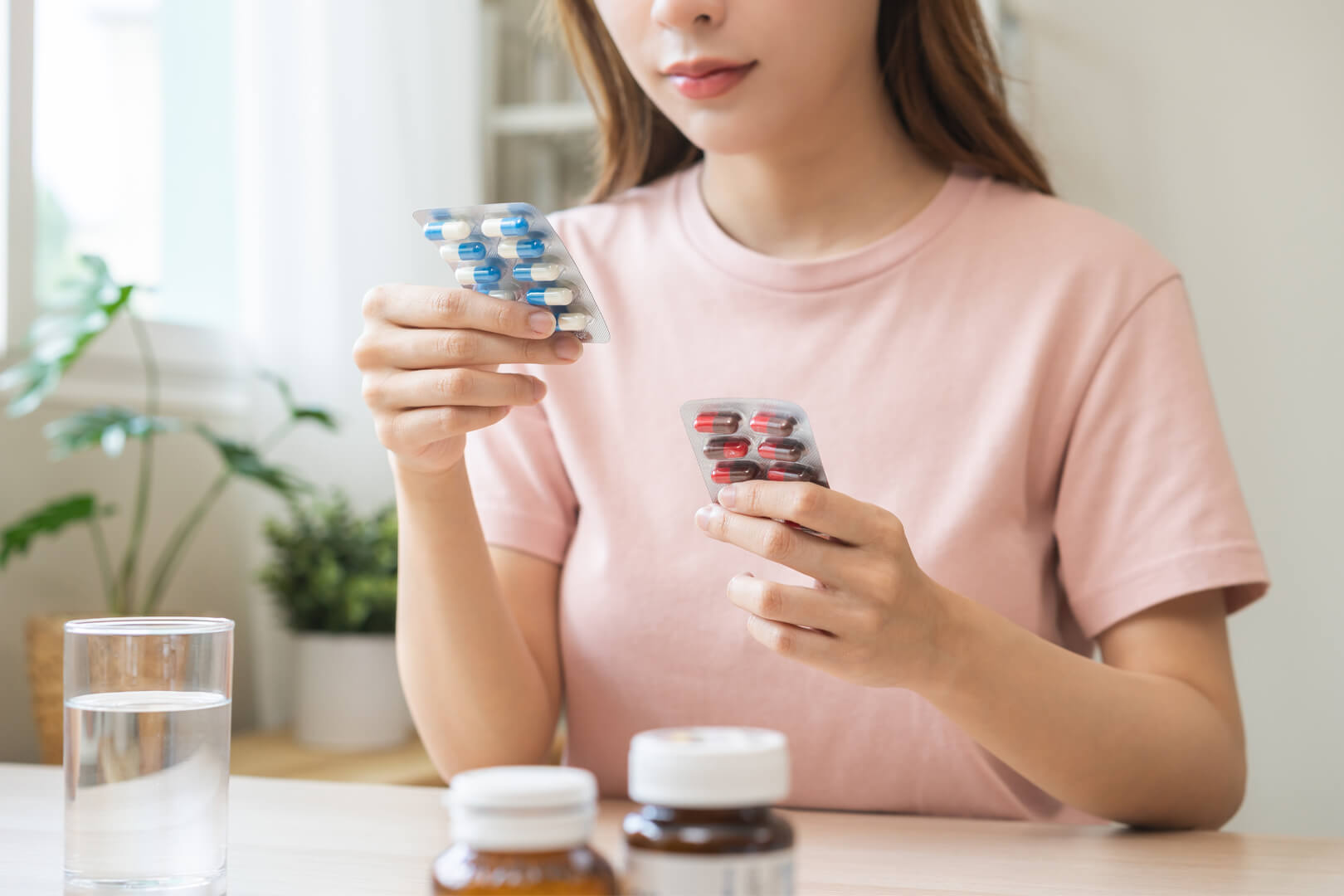
Originally developed as an immunosuppressant for transplant patients, rapamycin has gained attention for its potential anti-aging effects. Animal studies suggest it can extend lifespan by 20 to 25 percent, partly by stimulating autophagy, a cellular process that clears damaged components. However, despite increasing off-label use, strong clinical data in humans remain limited.
To address this gap, the study will include a series of interconnected sub-studies. Researchers will first establish baseline immune and metabolic markers in younger adults, then identify the minimum effective dose in older adults while minimizing side effects. The final phase is a randomized, placebo-controlled trial involving approximately 84 participants, comparing daily dosing, intermittent dosing, and placebo over six months, followed by six months of observation.
The trial aims to clarify key safety and efficacy questions, including the risk of immunosuppression and metabolic changes at commonly used doses.
“Rapamycin is widely discussed as a longevity therapy, but rigorous human data is still lacking,” the research team said. “This study focuses on precision—determining how much is needed to achieve benefits without unnecessary risk.”
Findings from the trial could help establish evidence-based dosing guidelines and support future large-scale studies on healthy aging.