Built To Last
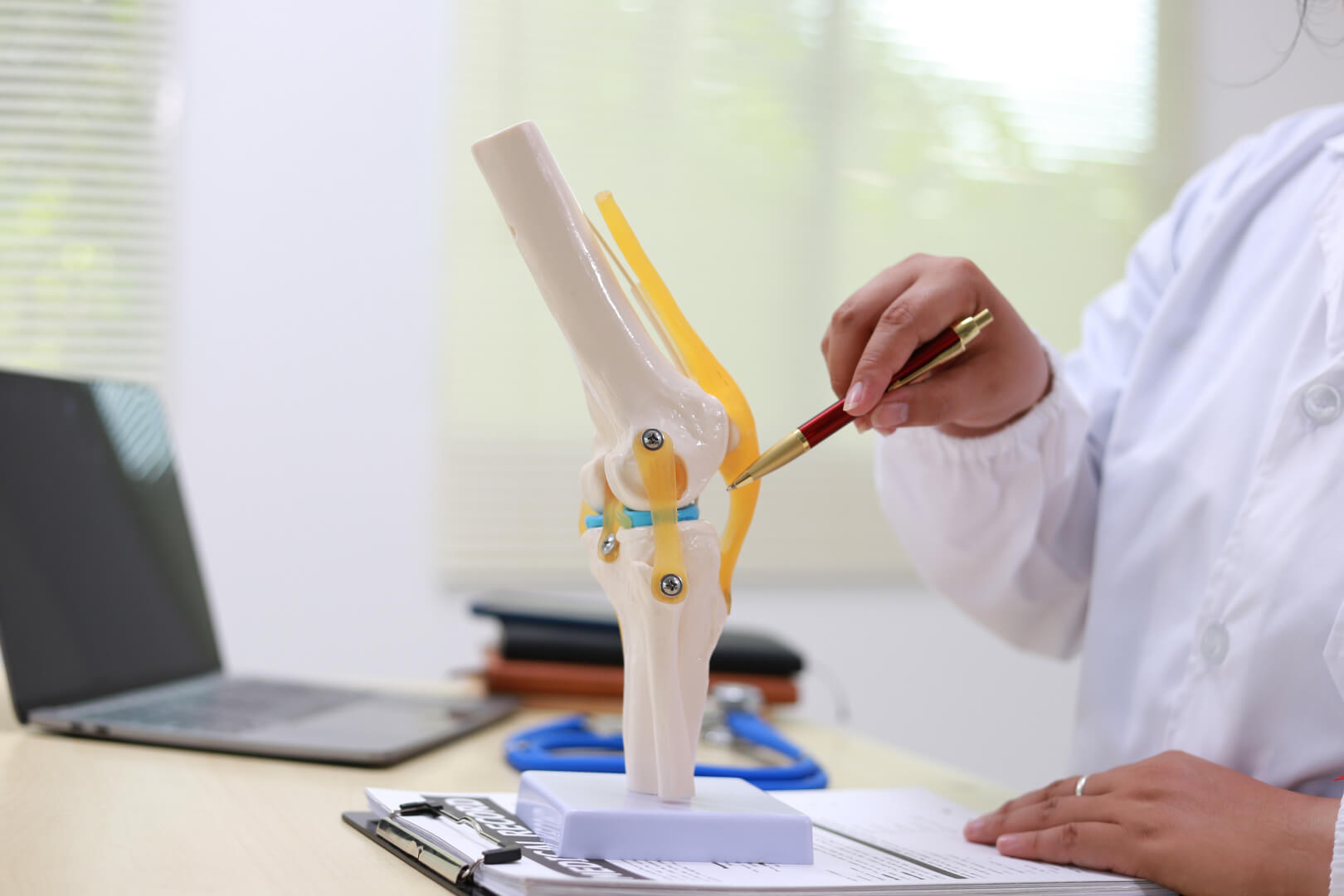
Most of us don’t give our bones a second thought until something goes wrong. Maybe it’s a fracture after a small fall, or an osteopenia diagnosis at a routine check-up. Maybe it’s a parent who shrinks several inches over the years and spends her later life afraid of tripping on a curb. Our bones quietly hold us up every day, asking for nothing, and it’s easy to forget about them until the day they let us down.
For many people, that day comes in their seventies or eighties. But the story starts much earlier. The choices we make in midlife, in our forties, fifties and sometimes sixties, have a big influence on how strong our bones are and how likely we are to break one later on. The encouraging part is that these choices are largely in our hands. The trick is making them before the damage is done.
It helps to know that bone isn’t the solid, unchanging material it seems. It’s living tissue that is constantly being broken down and rebuilt. Two kinds of cells do the work: osteoclasts clear away old or damaged bone, while osteoblasts lay down fresh bone in its place. When we’re young, building outpaces breaking down, and our bone density climbs until it peaks somewhere between our late twenties and early thirties. After that the balance slowly tips the other way. For women, the loss speeds up around menopause, when falling estrogen removes an important brake on the cells that break bone down. Men lose bone more slowly, but they lose it too, as testosterone and other hormones decline. By the time osteoporosis is diagnosed, usually with a DEXA scan that measures bone density, a good deal of bone has already been lost.