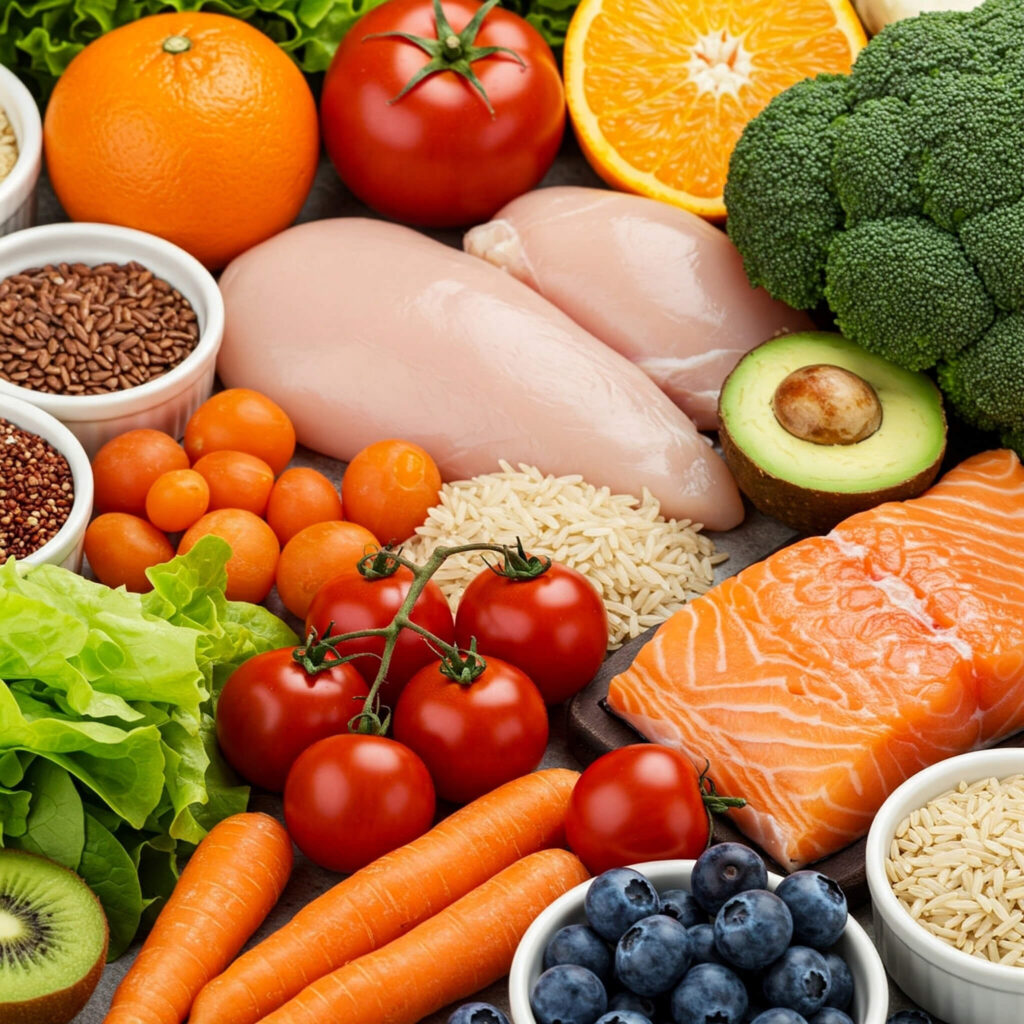
Aging is a natural part of life, but how we age has far more to do with our daily choices than we often realize. Nutrition, in particular, plays a powerful role in determining our strength, resilience, and cognitive clarity well into our later years. What we eat today shapes how we move, think, and feel decades from now. For senior citizens, good nutrition helps preserve independence and vitality; for younger adults, building healthy habits early creates a protective foundation for the future.
As we grow older, our bodies begin to lose muscle mass in a gradual process known as sarcopenia. This can affect balance, stability, and mobility, increasing the risk of falls and limiting independence. A diet that provides enough high-quality protein, along with nutrients like vitamin D and omega-3 fatty acids, supports muscle repair and helps maintain strength. While seniors may find this especially important, adults of all ages benefit from developing a habit of including protein throughout the day, not only at dinner but at breakfast and lunch as well.
Bone health is another area where nutrition makes a lifelong impact. Although calcium and vitamin D are well-known players, other nutrients, such as vitamin K and magnesium, help maintain bone density and structure. Because peak bone mass is largely formed by our early thirties, the food choices we make in youth and midlife contribute substantially to fracture risk as we age. Seniors, meanwhile, can reduce the rate of bone loss and support mobility by continuing to eat a varied, nutrient-rich diet.
Heart health offers yet another example of how nutrition influences aging. The processes that lead to cardiovascular disease often begin many years before symptoms appear. Diets rich in fiber, healthy fats, and a wide variety of plant foods help support healthy blood pressure, cholesterol balance, and reduced inflammation. These habits pay off steadily over time, and seniors who maintain them often enjoy better stamina, improved circulation, and reduced risk of chronic illness.
Nutrition also affects the brain. A steady supply of omega-3 fatty acids, B vitamins, and antioxidant-rich fruits and vegetables helps protect cognitive function. These nutrients support nerve health, reduce oxidative stress, and may slow age-related cognitive decline. Starting early is key: the brain benefits most from long-term nourishment, not quick fixes. Seniors who adopt or maintain these habits may find improvements in memory, concentration, and overall mental sharpness, while younger adults build a foundation that can help protect against decline later in life.
Digestive health is another concern that becomes more prominent with age. Slower digestion, reduced appetite, and changes in gut microbiota can make it harder for seniors to get the nutrients they need. Eating plenty of fiber and staying well-hydrated can ease these challenges and support a healthy microbiome, which in turn strengthens immunity and enhances nutrient absorption. Younger adults who consistently consume fiber-rich foods help maintain gut health long before these issues arise.
The immune system also responds directly to nutritional choices. Adequate protein, along with vitamins C and E and minerals like zinc, supports the body’s ability to fight infections and recover more quickly. Seniors who eat balanced meals tend to experience fewer and less severe illnesses. Establishing these habits before old age helps reduce chronic inflammation and promotes long-term resilience.
Ultimately, what seniors need from nutrition, strength, stability, energy, and cognitive protection is equally important earlier in life. Good eating habits help maintain a healthy weight, support organ function, and reduce the risk of chronic diseases that often become more difficult to manage with age. For younger adults, these choices serve as a kind of health investment: the earlier you begin, the longer you benefit.
Healthy aging does not begin at 65; it begins now. Whether you are already in your senior years or simply planning ahead, choosing nutrient-dense foods, staying hydrated, enjoying balanced meals, and paying attention to your body’s changing needs can profoundly influence your quality of life. Nutrition is one of the few aspects of aging that we can truly control, and even small daily choices have the power to keep us stronger, sharper, and more vibrant for years to come.