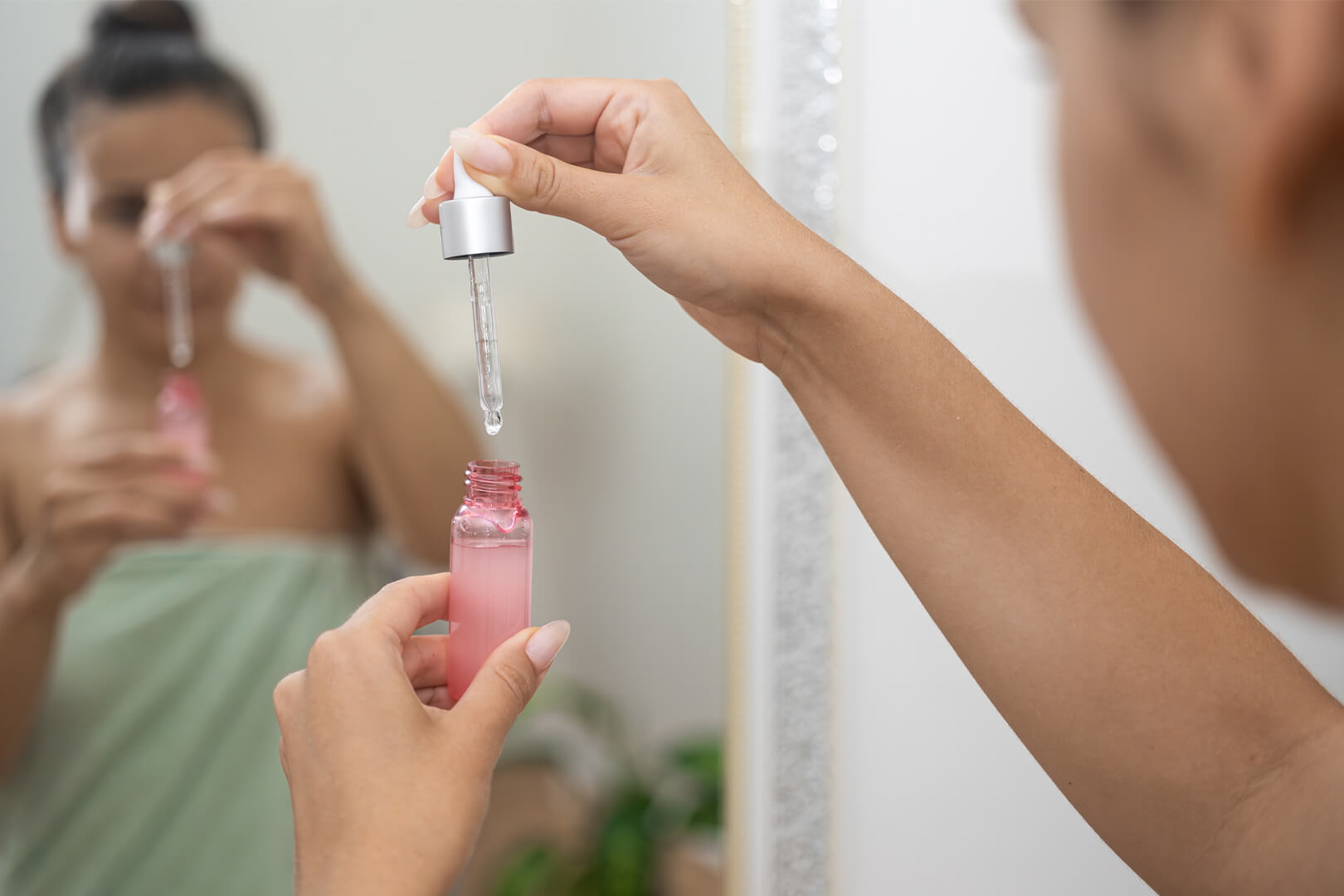
Everyone is looking for the fountain of youth in a bottle, which fuels the anti-aging industry. From simple sunscreens to anti-aging creams, pharmacies and beauty counters are bursting at the seams with products that proclaim to reverse aging and any other skin imperfections. Among these common products are retinoids.
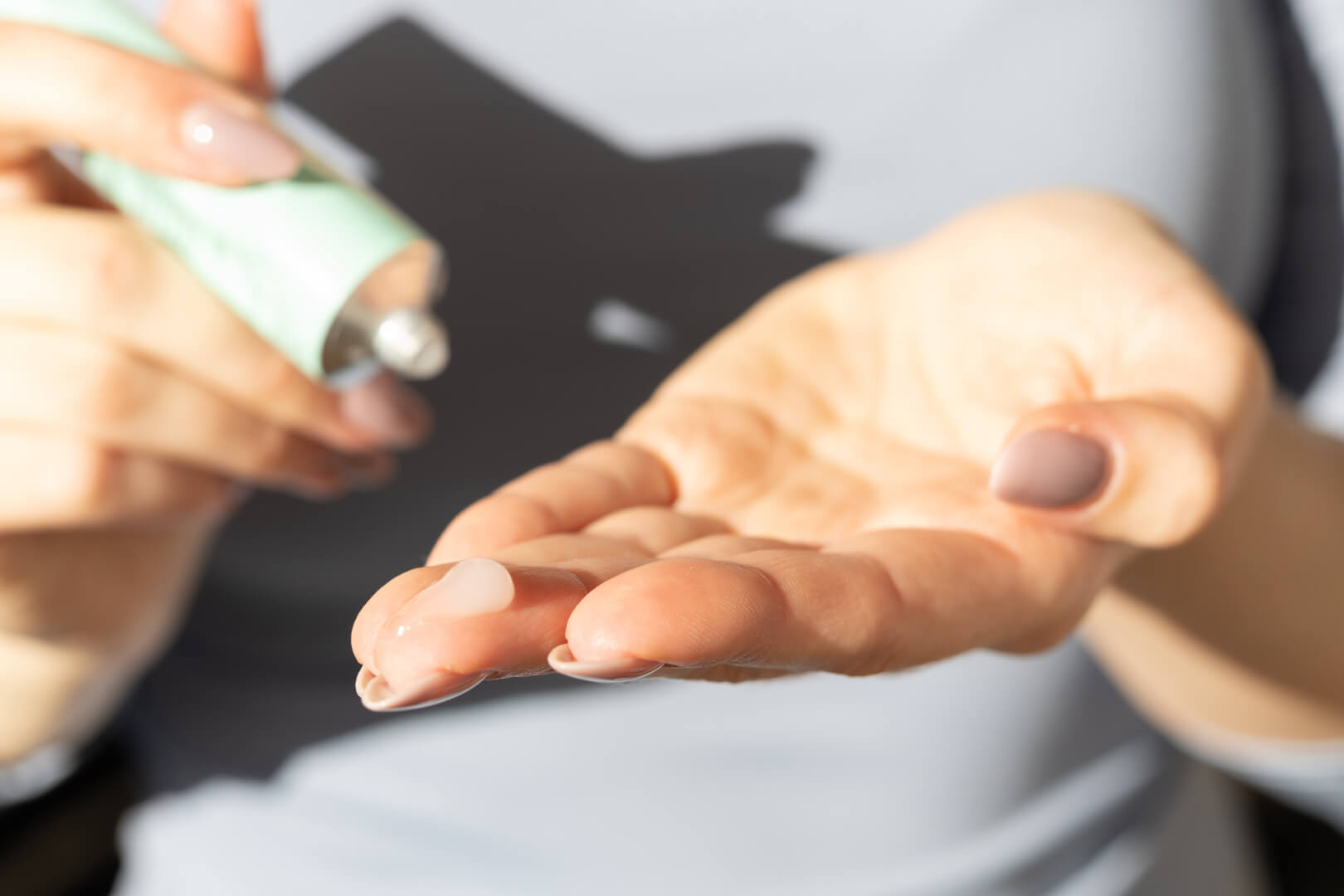
Retinoids are recommended for a host of skin conditions and are used to treat seemingly everything, from acne to psoriasis. They are excellent compounds for the anti-aging industry, including treating age spots, fine lines, uneven skin tone, and wrinkles. They come in various forms, such as gels, lotions, and creams, with wide variation in price and distributors.
Yet while widespread, retinoids differ from each other. The potency of the compound differs depending on what you need. Retinoids can help you age well into the years, provided that you choose the right product for you.
Here’s what you need to know about them.
What Are Retinoids?
Retinoids, including retinyl esters, retinol, retinaldehyde and retinoic acid esters, are all vitamin A derivatives that have been clinically proven to be effective in managing skin concerns and combating the effects of aging.
As we go up in years, our skin loses elastin and collagen, which are essential in maintaining that youthful glow. Without these, we get dull, uneven skin that can show wrinkles and fine lines. Our cheeks start to sag, and the laugh lines that used to show a happy disposition are now akin to just showing your age. If you add in our exposure to environmental stressors, such as prolonged sun exposure, neglecting to put sunscreen on, or neglecting to wash our face after a day outdoors, then our skin could turn dry, with all of these imperfections being punctuated on our face, neck, and hands.
Thankfully, all these signs of aging could be combated by retinoids. These compounds change how your cells function by stimulating collagen production and accelerating skin division. As your old cells are replaced by newer cells, a new layer of skin is revealed, sometimes devoid of skin imperfections and uneven skin tone. Retinoids also help unclog pores, reduces sagging, and enhances skin elasticity and firmness.
Now, retinoids transform when they are applied to the body. In order to achieve their active form, retinoids go through a number of steps once you apply them topically. The number of steps that a retinoid goes through to reach its active form corresponds to the potency of the compound. This means that the more steps are required for the retinoid to reach its active form, the less potent it is. Meanwhile, the fewer steps required for the retinoid to reach its active form, the more potent it is.
The term “retinoid” is a blanket term for these compounds. And when it comes to your skin, it is not as simple as picking up the first item you see on the counter — you need to know what you’re getting too.
Let’s start with the compound that is most commonly used as a first line for those afflicted with sensitive skin: adapalene.
Pull-out quote: “Retinoids must reach an active form to produce their desired effect on the skin. The number of steps that are taken to reach that active form influences the potency and tolerability of the product”
Meet The Adapalene
Adapalene is a third-generation retinoid, which means that this synthetic compound has improved tolerability and safety profile in comparison to its predecessors. For this reason, it could be thought of as an “entry-level” retinoid that is oftentimes prescribed first to target acne and other signs of aging.
Adapalene is derived from napthoic acid, which has a different active form in comparison with other retinoids but is able to interact with the same spots in the body. Other retinoids could have harsh effects on the body, such as skin dryness and irritation, and these effects are reduced (but not eradicated) with adapalene.
One of the best features of this compound is its ability to decrease inflammation while increasing the rate of your skin’s recovery. While it is approved to be used as a treatment against acne and pimples, other dermatologists would recommend adapalene as a starter against skin aging.
Adapalene is able to help reduce the signs of aging by going under the skin and removing impurities from within. It treats wrinkles and fine lines thanks to its regenerative effects, while promoting better skin and an even skin tone through exfoliation. It keeps pores clean and reduces hyperpigmentation as well.
It can be paired with other products to achieve better results, while expecting that there would be minimal to zero side effects for most people.
However, a word of caution: if you are of a more advanced age, it would be best to consult a physician first before picking up an over-the-counter adapalene product. While it is oftentimes tolerated well by most, you may have medications that are counterintuitive to this retinoid. Also, you may experience increased sun sensitivity, so you are encouraged to use sunscreen.
Meet Retinol And Retinyl Esters
Now, we have mentioned previously that retinoids aren’t interchangeable, as their effects depend heavily on their structure, which would affect how they are activated and tolerated by the skin. As such, retinol and retinyl esters shouldn’t be seen as a step-up from adapalene but rather another tool in your skin care journey.
To recap: retinoids must reach an active form to produce their desired effect on the skin. The number of steps that are taken to reach that active form influences the potency and tolerability of the product.
Retinol and retinyl esters follow this principle in its most classical form.
Retinol is converted into retinaldehyde and then to retinoic acid before it can influence the skin. On the other hand, retinyl esters sit one step further back in the sequence.
This layered activation is highly beneficial in aging skin. As the efficiency of how the body processes these compounds and barrier repair declines, highly potent compounds become harder to tolerate. Retinol and retinyl esters can offer a more regulated approach.
Retinol: Active Remodeling For Aging Skin
Retinol can be seen as a midway point in using topical retinoids, as it is still strong enough to induce meaningful change. One of its most important effects is that it is able to support skin cell turnover and the creation of collagen. As we age, collagen production decreases while breakdown increases. Retinol helps reverse this, and the effect over time would be softer wrinkles and tighter skin.
Another effect of retinol is normalizing the turnover of the cells in the epidermal layer of the skin. This can lead to dullness and uneven texture as we age. By accelerating renewal, retinol improves smoothness and tone of the skin.
These benefits come with trade-offs, though, as it can cause dryness, peeling and irritation, particularly in older skin. This is why it is important to use these products gradually, applying just enough to spread a thin layer on the face while being liberal in the use of moisturizers.
Retinyl Esters: Gentle Vitamin A Support
Retinyl esters in their various forms represent the mildest end of the retinoid spectrum. They would have to undergo the most steps before they are converted to retinoic acid, resulting in low but steady effects.
For aging skin, this is an advantage. Retinyl esters are far less likely to disrupt the skin barrier or cause irritation. It is able to provide gradual vitamin A support, which helps maintain normal cell turnover and baseline collagen activity rather than driving rapid remodeling.
Its effects may be subtle, but it is cumulative. This, of course, reflects on its effect on the skin, in which it mainly helps preserve skin quality and slow further decline when used consistently. For very sensitive, dry, or fragile skin, as well as long-term maintenance, this is a great choice.
Retinoids As A Spectrum
Retinoids are best seen as a spectrum rather than a hierarchy, as potency alone doesn’t determine suitability. Choosing between retinol and retinyl esters depends not on your age, but on how strong your skin feels. Some older people can tolerate retinol well, while others would prefer gentler options.
These two compounds are only two members of a larger family of vitamin A products that exist and behave differently. As such, they aren’t the final solutions, but tools that can be chosen and adjusted as the skin changes.
Famous Last Words
The fountain of youth in a bottle is typically a myth, but with enough knowledge, you may just figure out what combination works for you so that you can have longer-looking skin. Please contact your favorite dermatologist for more information on the best kinds of retinoids for you.