Have you ever wondered why people in some parts of the world seem to live not only longer, but better? Scientists call these regions “Blue Zones,” and the folks who live there are living proof that healthy habits, community, and purpose can add years to life, and life to years.
But before we pack our bags for Okinawa or Sardinia, let’s take a look at what really influences how long we live, and how we can bring a little bit of “Blue Zone magic” into our own daily routines.
What Is Life Expectancy, and Why It Matters
Life expectancy is the average number of years a person can expect to live, based on current health and social conditions. As of 2025, the global average is about 73 years, but that number can range from over 84 in Japan to around 60 in some parts of Africa.
Why such a big difference? It turns out that our lifespan isn’t just written in our genes; it’s shaped by where we live, how we eat, how active we are, and even how connected we feel to others.
The Building Blocks of Longevity
Our genes do play a role in how long we live, but not as much as you might think. Studies suggest that only 20–30% of the lifespan is determined by genetics. The rest depends on lifestyle and environment.
Women, for example, tend to outlive men by about five years, partly because of hormonal protection and partly because they engage in fewer risky behaviors. Still, even with good genes, how we live our day-to-day lives makes the biggest difference.
Wealth and education are powerful predictors of longevity. People with higher incomes and more education generally live longer because they have better access to healthcare, nutritious food, and safe housing.
In the U.S., someone in an affluent area may live into their late 80s, while someone in a struggling region might live into their 60s. Education also helps: people who attend college often live about eight years longer than those who don’t finish high school.
Clean air, safe water, and a stable climate are all critical for good health. Air pollution alone shortens global life expectancy by about two years. Meanwhile, climate change and extreme heat are growing threats, especially for older adults. Where we live, whether urban or rural, also matters: cities offer better hospitals but more pollution, while rural areas may have cleaner air but fewer doctors.
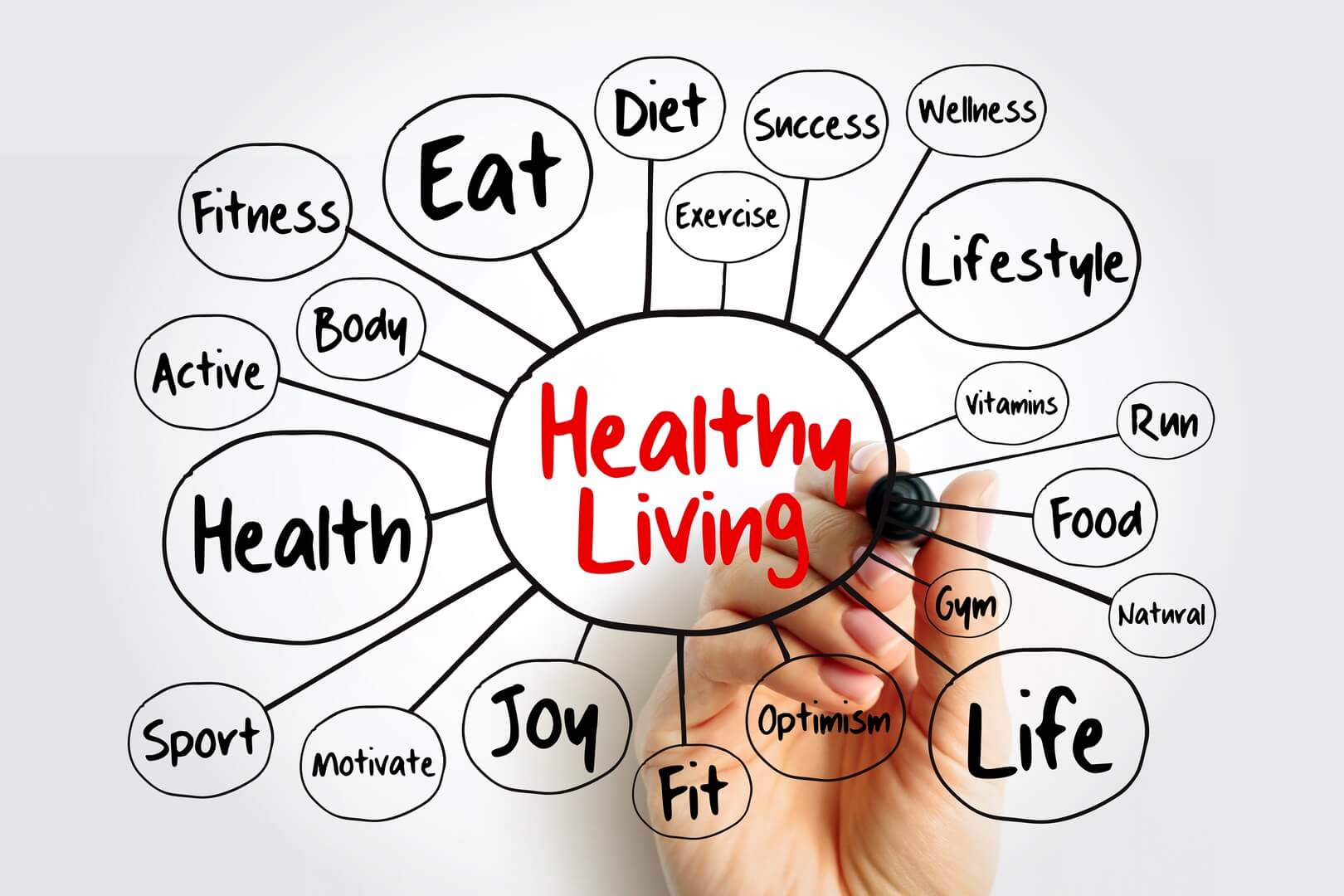
Here’s where we have the most control. Our daily habits can either shorten or stretch our lives.
Countries with universal healthcare, like Sweden and Canada, tend to have higher life expectancies because everyone, regardless of income, can see a doctor when they need to. Preventive care, vaccinations, and screenings for cancer or heart disease save countless lives. Even new technologies like telehealth and wearable health trackers are helping seniors stay on top of their health.
Blue Zones: Nature’s Longevity Labs
Blue Zones are regions where people regularly live past 90, and often 100. The five main ones are:
So what’s their secret?
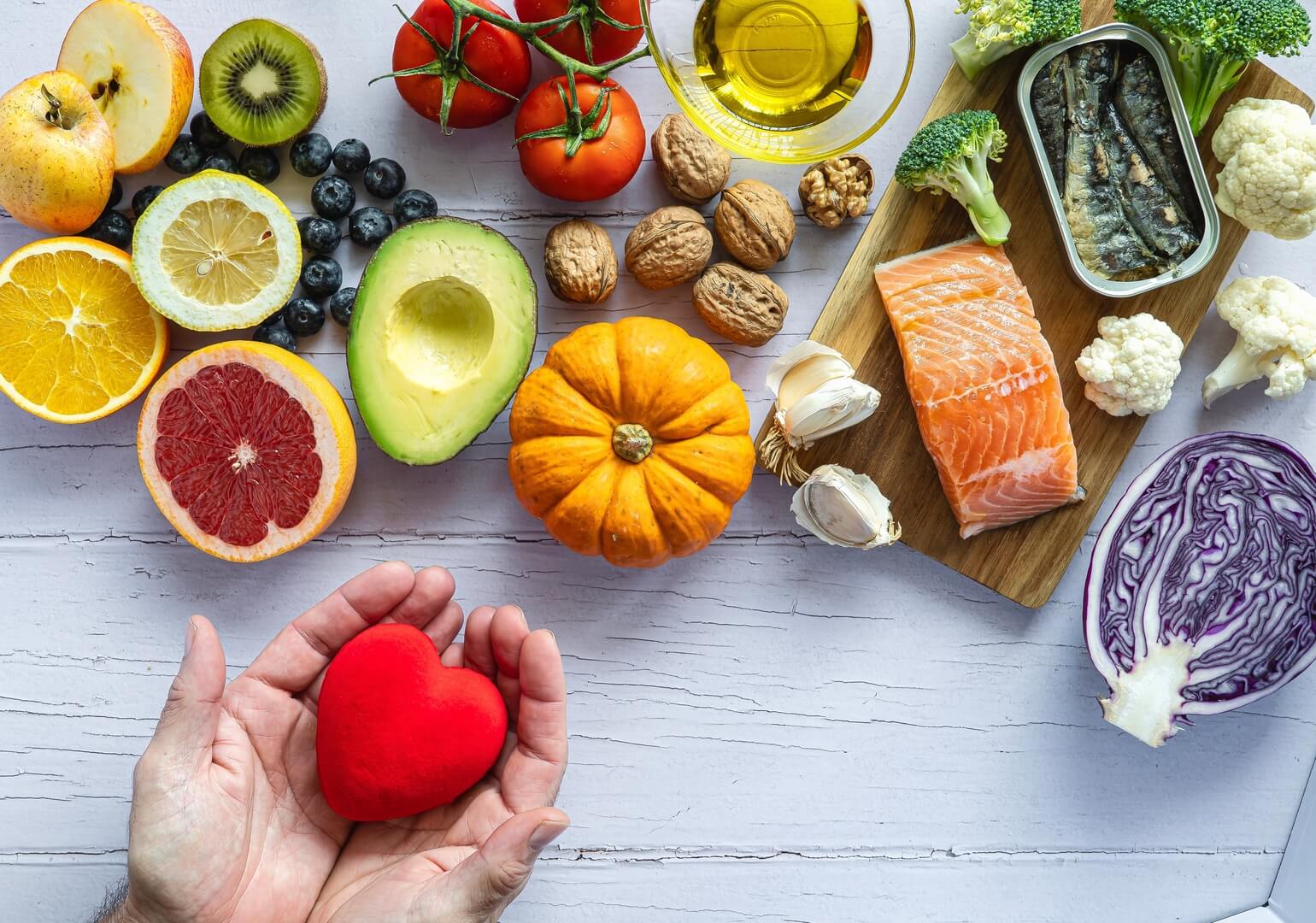
Researchers have found that these habits can reduce the risk of early death by 15 to 20%, without the need for fancy supplements.
The Biggest Health Threats to Longevity
Even with modern medicine, several diseases continue to shorten lives worldwide:
The good news? Many of these causes are preventable with healthy habits, early detection, and supportive communities.
How to Add More Healthy Years to Your Life
You don’t need to live in a Blue Zone to enjoy a long, fulfilling life. Here are some simple steps that mirror their success:
Life expectancy may be influenced by complex factors, genetics, income, and environment, but the essence of longevity often comes down to simple, timeless habits. The lessons from Blue Zones remind us that living longer isn’t just about adding years, it’s about adding vitality, connection, and joy to those years.
So whether you’re 60, 70, or beyond, it’s never too late to start living like you’re in a Blue Zone, right where you are.